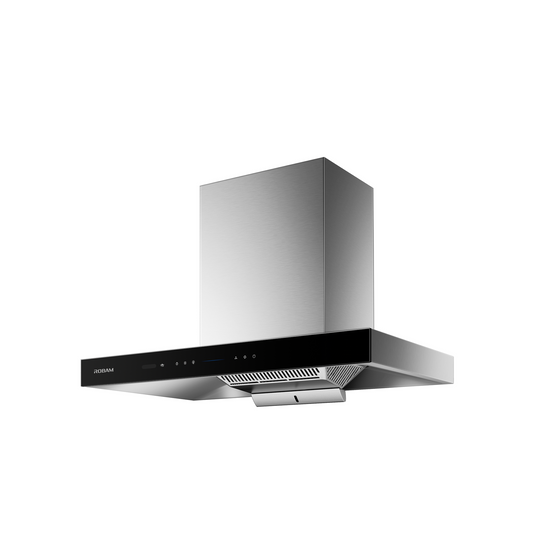
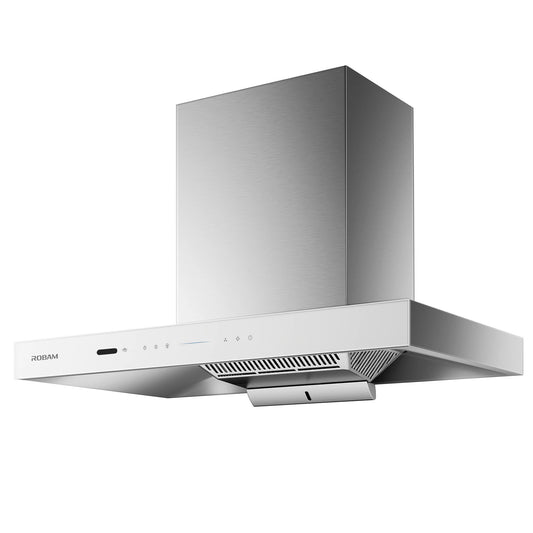
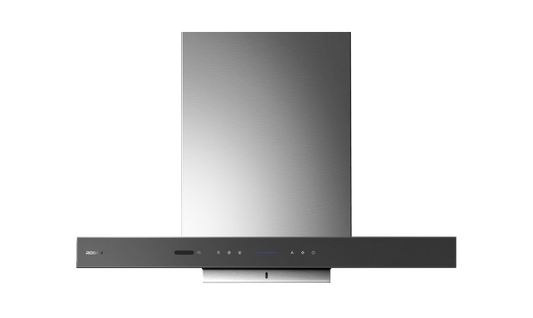
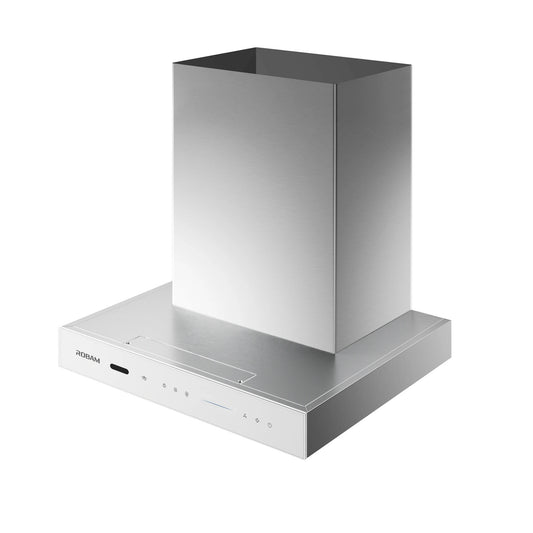
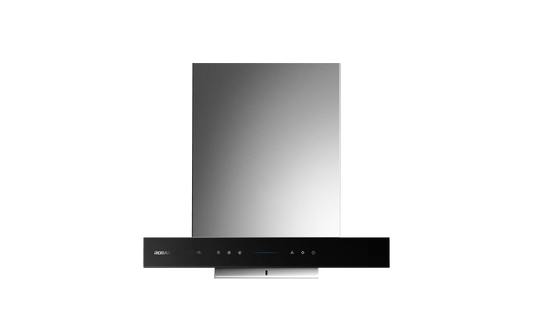
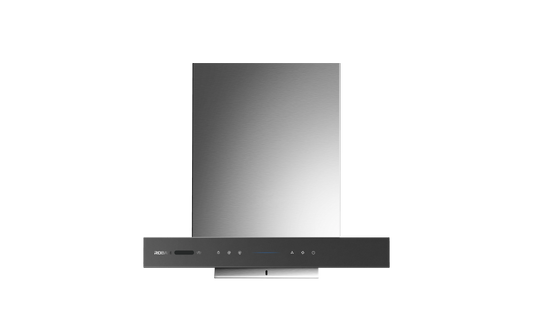
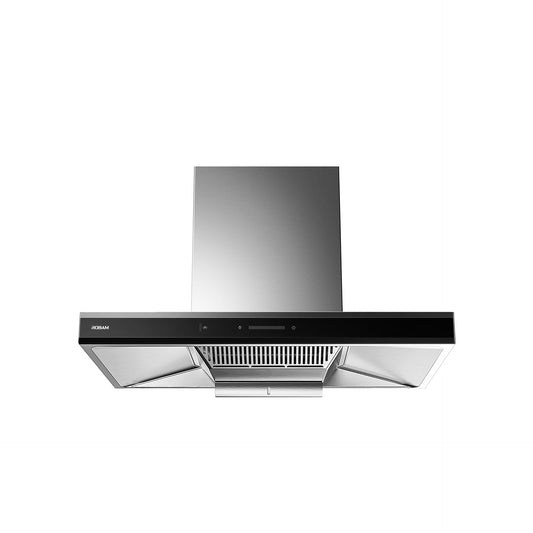
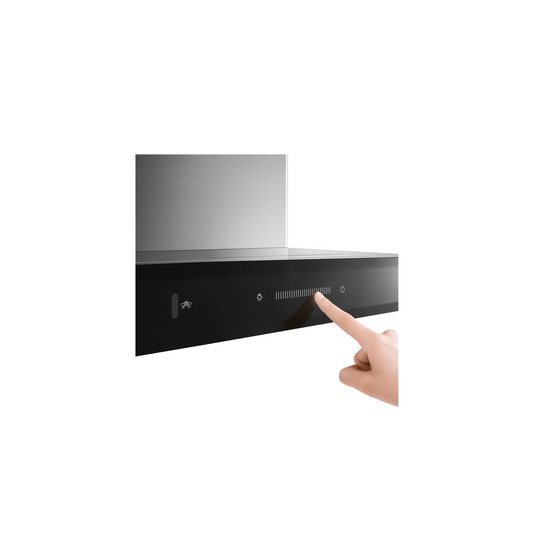
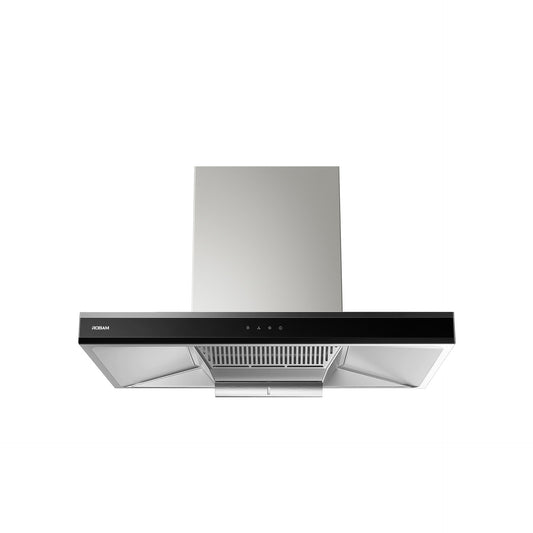
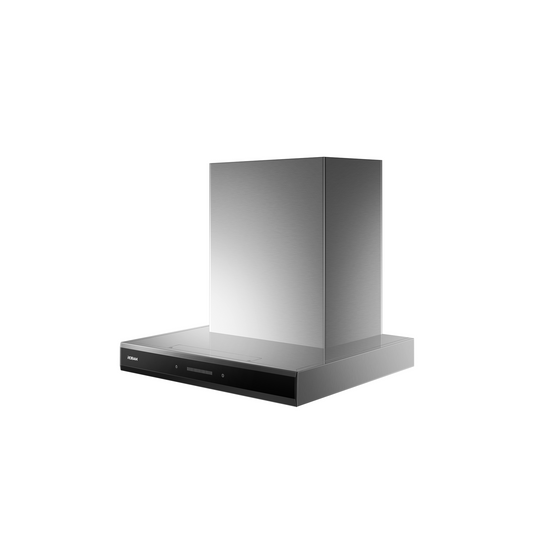
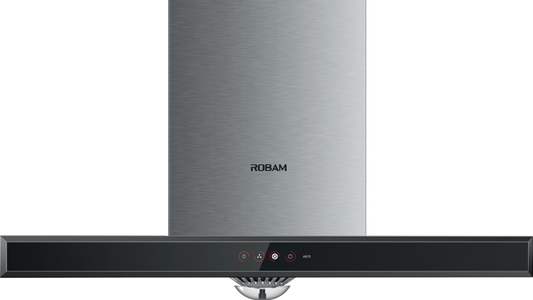
Recirculating Rangehoods

Robam's recirculating rangehoods are built for kitchens where external ducting isn't an option — apartments, mid-floor renovations, and any layout without a route to outside air. Instead of venting smoke and grease outdoors, each recirculating range hood pulls air through Robam's CleanAir carbon filtration system, stripping out oil, odour and fine particles before returning clean air to the room.

Don't assume ductless means underpowered: several models in this collection reach up to 2400 m³/hr of airflow, enough to keep pace with wok-style, high-heat cooking rather than just light stovetop use — even if the very highest-airflow ducted models edge past that figure. Options span 60cm and 90cm recirculating rangehoods in canopy and integrated configurations, so you can match the unit to your cooktop width and cabinetry style without compromising on suction.

Still deciding between ducted and recirculating? Compare both across our full range of rangehoods, or browse cooktops to pair with your new hood.


16 products
Save up to 20%

*T&Cs apply.

Buying Guide

Ducted vs Recirculating — Is Ductless Right for You?

Ducted rangehoods vent smoke, steam and grease straight outside through ducting, while a recirculating range hood filters that air on the spot and returns it to the room — no external ducting, wall penetration or ceiling cavity work required. That makes recirculating rangehoods the practical choice for apartments, mid-floor kitchens, and renovations where running ducting to an exterior wall isn't feasible.

Suction Power — What Counts as High Suction in a Recirculating Hood

"Ductless" doesn't have to mean weaker suction. Recirculating range hoods in this collection reach up to 2400 m³/hr of airflow, covering the same high-suction band as most of Robam's ducted lineup — only the very top-end ducted models (rated above 2400 m³/hr) go higher. If high suction matters most to you, filter by airflow rate above to shortlist the 2000–2400 m³/hr models first.

Configuration — Canopy vs Integrated

Recirculating models come in two configurations: canopy hoods, which sit visibly above the cooktop as a design feature, and integrated hoods, which slide into overhead cabinetry for a flush, built-in look. Both filter and recirculate air the same way — the choice comes down to whether you want the rangehood as a visual statement or hidden inside your cabinetry. Browse canopy rangehoods or integrated rangehoods to compare styles.

Sizing — 90cm vs 60cm Recirculating Rangehoods

As with any rangehood, width matters more than model number: your rangehood should be at least as wide as your cooktop, ideally slightly wider, so it captures the full spread of steam and smoke. A recirculating rangehood 90cm model suits a full-width 90cm gas or induction cooktop, while 60cm options pair with smaller built-in or freestanding cooktops. This collection covers both sizes across canopy and integrated styles.

Carbon Filter Maintenance

Because a recirculating rangehood filters air instead of expelling it, its carbon filter does the job a duct would otherwise handle — which means it needs periodic replacement to keep suction and odour control performing well. Check your model's manual for the recommended replacement interval, and browse rangehood accessories for genuine replacement filters when it's due.

Finish — Matching Your Kitchen

Robam's recirculating rangehoods are available in Glossy Black, Glossy White and Matte Grey, so you can match a stainless-look, all-white or contemporary matte kitchen without compromising on suction power.

Frequently Asked Questions

What is a recirculating rangehood?

A recirculating rangehood filters smoke, oil and cooking odours through a carbon filter and returns clean air to the kitchen, rather than venting it outside through ducting. It's the standard choice where there's no route to an exterior wall or roof for ducting.

Is a recirculating rangehood as powerful as a ducted one?

Suction power depends on the motor, not the venting method. Robam's recirculating range hoods reach up to 2400 m³/hr of airflow, covering most of the same high-suction range as Robam's ducted models — only the very highest-rated ducted units go beyond that.

What size recirculating rangehood do I need — 90cm or 60cm?

As a rule, your rangehood should be at least as wide as your cooktop. A 90cm recirculating rangehood suits a 90cm gas or induction cooktop, while a 60cm model suits smaller cooktops; this collection covers both sizes across canopy and integrated styles.

Which recirculating rangehood 90cm model has the highest suction?

Airflow varies by model rather than by size alone. Filter this collection by airflow rate to see which current 90cm recirculating rangehoods sit in the top 2000–2400 m³/hr band, since suction power is what determines how well a 90cm hood keeps pace with a full-width cooktop.

How often do I need to replace the carbon filter?

Carbon filters need periodic replacement to keep suction and odour control performing well, since they do the job a duct would otherwise handle. Check your model's manual for the recommended interval, and look under rangehood accessories for genuine replacement filters.

Can I install a recirculating rangehood without ducting in an apartment?

Yes — that's the main reason to choose recirculating over ducted. Because the unit filters and recirculates air on the spot instead of venting outside, it needs no external ducting, wall penetration, or ceiling cavity work, which suits apartments and mid-floor kitchens well.